
Signs Your Headaches Are Actually Caused by TMJ Disorder
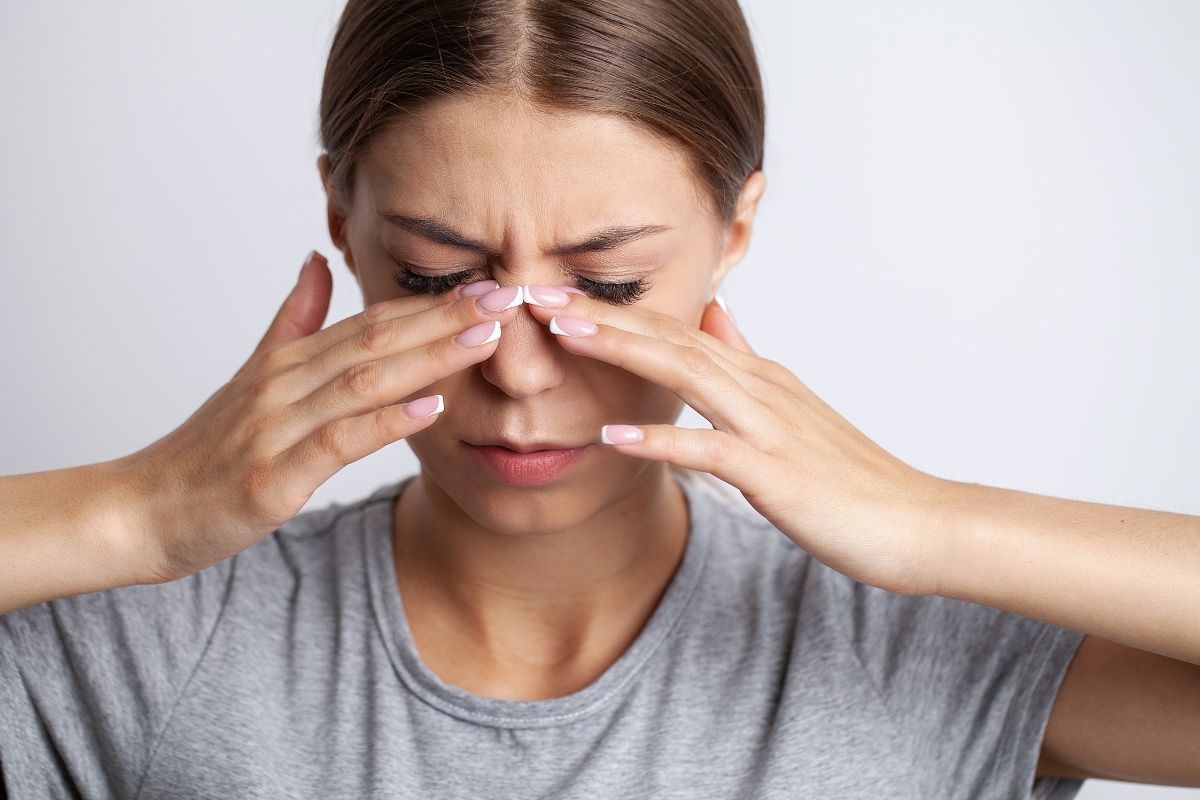
Headaches are one of the most common health complaints among adults. While many people blame stress, dehydration, or lack of sleep, there may be another underlying cause, and that is temporomandibular joint (TMJ) disorder. If your headaches are frequent, persistent, or accompanied by jaw discomfort, your jaw joint could be the real source of your pain. Understanding the link between TMJ disorder and headaches can help you find lasting relief and improve your quality of life.
What Is TMJ and Why Does It Cause Headaches?
The temporomandibular joints are the hinges that connect your jawbone to your skull, allowing you to speak, chew, and yawn. When these joints become inflamed, misaligned, or strained, it can lead to a condition known as TMJ disorder (TMD). This can develop due to teeth grinding (bruxism), jaw injury, arthritis, stress-related clenching, or a misaligned bite. Because the jaw joint is located so close to major facial muscles and nerves, dysfunction often triggers pain that radiates beyond the jaw.
The jaw joint and surrounding muscles are closely connected to the temples and base of the skull. When the joint becomes strained, the surrounding muscles tighten, creating tension. This muscle tension can travel upward, causing headaches that mimic migraines or tension headaches. Many patients don’t realize that their headaches are actually related to jaw dysfunction. Without proper diagnosis, they may treat only the symptoms rather than the underlying cause.
Signs Your Headaches May Be Caused by TMJ Disorder
1. Pain Around the Temples
If your headaches frequently begin near your temples or feel like pressure on the sides of your head, TMJ disorder could be involved. The temporalis muscle, which helps move your jaw, runs along this area and can become inflamed due to jaw strain. Persistent temple pain combined with jaw discomfort is a strong indicator of TMJ-related tension.
2. Jaw Pain or Stiffness
Headaches linked to TMJ often occur alongside jaw soreness, tightness, or fatigue. You may notice discomfort when chewing, talking for long periods, or waking up in the morning. Stiffness that improves throughout the day can signal nighttime clenching or grinding.
3. Clicking or Popping Sounds
Do you hear clicking, popping, or grinding noises when opening or closing your mouth? These sounds can indicate joint misalignment. When joint movement isn’t smooth, surrounding muscles compensate, leading to tension that may trigger headaches.
4. Headaches That Worsen with Chewing
If your headaches intensify while eating tough foods or after long conversations, jaw strain may be the cause. Overworking irritated jaw muscles can worsen inflammation and lead to recurring pain.
This pattern is a key sign that your jaw joint is contributing to your discomfort.
5. Morning Headaches
Waking up with a headache is often associated with nighttime teeth grinding or clenching. Bruxism puts constant pressure on the jaw joint and surrounding muscles. If you also experience jaw soreness or tooth sensitivity in the morning, TMJ disorder may be the underlying issue.
6. Ear Pain or Fullness
TMJ disorder can cause symptoms that mimic ear infections, including earaches, ringing (tinnitus), and a sensation of fullness. Because the jaw joint sits close to the ear canal, inflammation can easily affect surrounding nerves and tissues.
7. Neck and Shoulder Tension
Jaw dysfunction doesn’t just affect your face. Muscle tension can extend into the neck and shoulders, contributing to broader upper-body discomfort. If your headaches are accompanied by neck stiffness, TMJ disorder may be playing a role.
When to Seek Professional Care
Occasional headaches are common, but frequent or worsening pain shouldn’t be ignored. If over-the-counter medications only provide temporary relief, it’s important to investigate the underlying cause.
Professional evaluation allows your dentist to assess jaw movement, bite alignment, and muscle tenderness. Identifying TMJ disorder early can prevent further joint damage and chronic pain.
TMJ Treatment Options:
If TMJ disorder is the source of your headaches, targeted care can provide significant relief.
Treatment options may include:
- Custom nightguards to prevent grinding
- Bite adjustments to improve alignment
- Jaw exercises to strengthen and relax muscles
- Stress management recommendations
- Advanced diagnostic imaging when needed
Every patient’s condition is unique, so treatment plans are customized to address the severity and root cause of the disorder.
Lifestyle Tips to Reduce TMJ-Related Headaches
In addition to professional treatment, simple lifestyle changes can help minimize symptoms:
- Avoid chewing gum or hard foods
- Practice stress reduction techniques
- Apply cold or warm compresses as recommended
- Maintain good posture, especially when using devices
- Perform gentle jaw stretches as directed by your dentist
Combining professional care with healthy habits can significantly reduce headache frequency and intensity.
Don’t Ignore the Warning Signs
If your headaches are persistent, recurring, or accompanied by jaw discomfort, it may be time to look beyond common causes. TMJ disorder is often overlooked but highly treatable when properly diagnosed.
At Modern Dental of Kernersville, our experienced dental team is committed to helping patients in Kernersville find lasting relief. Through comprehensive evaluation and customized TMJ Treatment, we focus on addressing the root cause rather than just masking the pain.
If you’re tired of living with chronic headaches, contact us at our Kernersville dental office to get relief from the pain.
FAQs About the Connection Between TMJ Disorder and Headaches
1. How do I know if my headaches are caused by TMJ disorder?
If your headaches occur alongside jaw pain, clicking sounds, or facial tension, TMJ disorder may be the cause. Morning headaches and discomfort while chewing are also common signs. A dental evaluation can confirm whether your jaw joint is contributing to the pain.
2. Can TMJ headaches feel like migraines?
Yes, TMJ-related headaches can mimic migraines or tension headaches. They often cause pressure around the temples, behind the eyes, or at the base of the skull. Proper diagnosis is essential to determine the true source of the discomfort.
3. What causes TMJ disorder to develop?
TMJ disorder can result from teeth grinding, jaw injury, arthritis, stress-related clenching, or bite misalignment. These factors strain the jaw joint and surrounding muscles. Over time, this strain can lead to chronic pain and headaches.
4. Are TMJ headaches worse in the morning?
Many people experience TMJ headaches in the morning due to nighttime teeth grinding or clenching. This constant pressure irritates the jaw joint and muscles. Wearing a custom nightguard can help reduce strain and morning discomfort.
5. Can TMJ disorder cause ear pain or ringing?
Yes, because the jaw joint is located near the ear canal, inflammation can create ear-related symptoms. Patients may experience earaches, tinnitus (ringing in the ears), or a feeling of fullness. These symptoms often improve with proper TMJ treatment.
6. What treatments are available for TMJ-related headaches?
Treatment options may include custom nightguards, bite adjustments, jaw exercises, and stress management strategies. These approaches aim to reduce muscle tension and protect the joint. A personalized plan helps address the root cause of the pain.
7. When should I see a dentist for TMJ headaches?
If your headaches are frequent, worsening, or accompanied by jaw discomfort, it’s time to seek professional care. Over-the-counter medications only provide temporary relief. Early evaluation can prevent long-term joint damage and chronic pain.