
What Is Peri-Implant Mucositis? Signs and Treatment Options
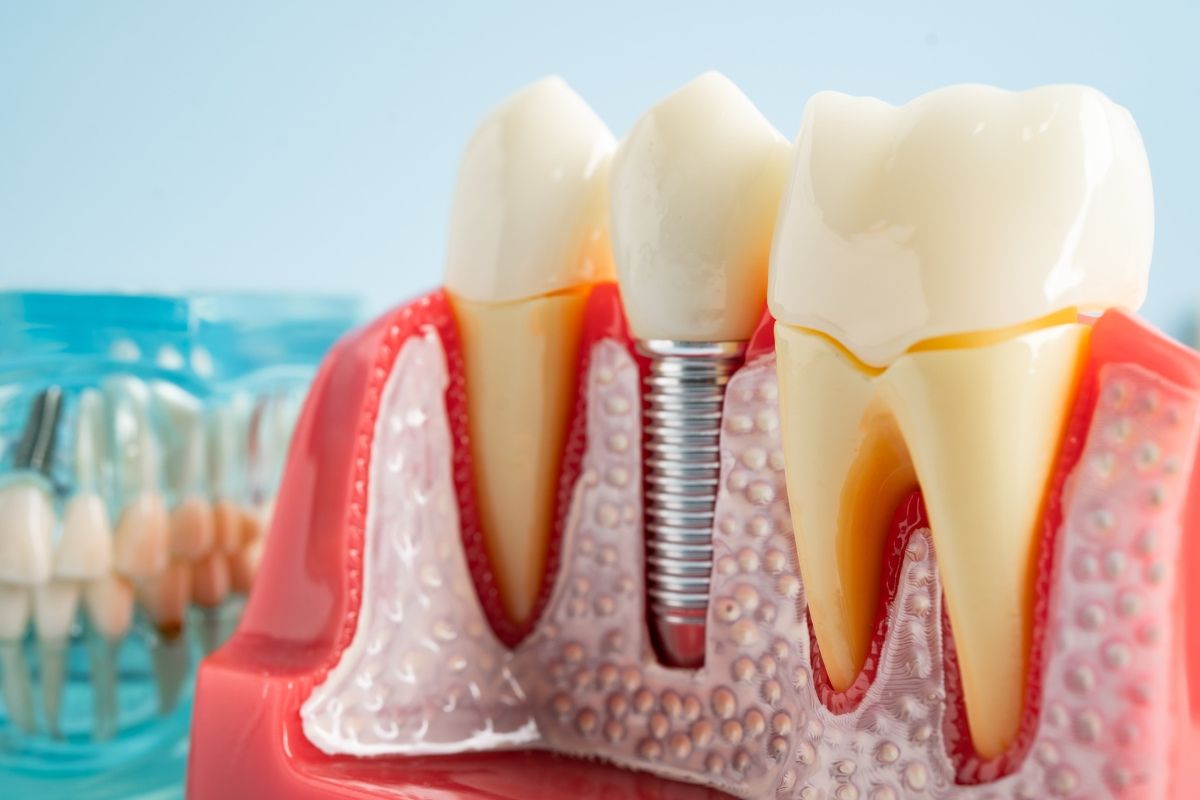
Life in Kernersville moves fast, with a busy routine. Between work, family time, and daily responsibilities, most people do not think twice about their dental implants once they are placed. They are designed to feel natural and function like real teeth. But just like natural teeth, implants need proper care to stay healthy.
Even with a good oral hygiene routine, you may occasionally notice changes around your implant, such as redness, mild swelling, or bleeding during brushing. These early symptoms can point to a condition known as peri-implant mucositis. While the name may sound serious, it is a common and manageable issue that is often reversible when identified early.
Learning to recognize the signs and understanding how to address peri-implant mucositis can help you maintain healthy gums, protect your implant, and avoid more complex dental problems in the future.
Understanding Peri-Implant Mucositis
Peri-implant mucositis is a condition that involves inflammation of the gum tissue surrounding a dental implant. It is often compared to gingivitis, which affects natural teeth. The inflammation develops when bacteria accumulate around the implant surface, typically due to plaque buildup.
At this stage, the issue is limited to the soft tissue and does not involve the bone supporting the implant. This distinction is critical because it means the condition can be reversed with proper care and timely treatment.
Many individuals are unaware they have peri-implant mucositis until visible symptoms appear. This is why routine dental checkups play such an essential role in early detection.
Early Signs You Should Pay Attention To
The initial symptoms of peri-implant mucositis can be subtle and easy to overlook. However, recognizing these warning signs early can make a significant difference in treatment outcomes.
Some of the most common signs include:
- Redness or puffiness around the implant site
- Bleeding when brushing or flossing
- A persistent unpleasant taste in the mouth
- Bad breath localized near the implant
- Discharge or pus along the gumline
- Slight discomfort or tenderness
If these symptoms are ignored, the condition may progress and affect deeper structures, making treatment more complex.
What Leads to Peri-Implant Mucositis?
Peri-implant mucositis does not occur randomly. It is usually the result of specific contributing factors, many of which can be managed with proper care and awareness.
Inadequate Oral Hygiene
Just like natural teeth, implants are susceptible to plaque accumulation. When plaque is not effectively removed, bacteria begin to irritate the surrounding gum tissue. Over time, this leads to inflammation and increases the risk of infection.
Even small lapses in daily care can allow harmful bacteria to thrive around the implant.
Tobacco Use and Systemic Health Conditions
Smoking significantly impacts gum health by reducing blood flow and slowing the body’s natural healing processes. This makes it easier for infections to develop and harder for the body to fight them.
Additionally, medical conditions such as uncontrolled diabetes can compromise the immune system, making it more difficult to manage bacterial infections around implants.
History of Gum Disease
Patients who have previously experienced periodontal disease may have a higher likelihood of developing inflammation around implants. The gum tissues may be more sensitive or prone to bacterial irritation, requiring closer monitoring and maintenance.
Why Prompt Treatment Is Essential
Peri-implant mucositis is considered an early-stage condition, but it should never be ignored. If left untreated, it can progress into peri-implantitis, a more severe condition that involves bone loss around the implant.
Once bone deterioration begins, treatment becomes more complicated and may require surgical intervention. In advanced cases, the implant itself may become unstable or fail.
The encouraging news is that peri-implant mucositis is reversible. Early diagnosis and appropriate care can restore gum health and prevent long-term complications.
How Is Peri-Implant Mucositis Treated?
Treatment approaches depend on how advanced the condition is and whether any structural damage has occurred. The primary goal is to eliminate bacteria, reduce inflammation, and protect the implant.
Professional Cleaning and Non-Surgical Care
In most early cases, non-invasive treatment is sufficient. This typically includes a thorough professional cleaning to remove plaque and bacterial deposits from around the implant.
Dentists use specialized tools designed to clean implant surfaces without causing damage. Once the source of irritation is removed, the gum tissue can begin to heal naturally.
Patients are usually advised to improve their at-home oral hygiene routine to prevent recurrence.
Surgical Treatment for Advanced Cases
If inflammation has progressed and begun to affect the bone, a more involved approach may be required. Surgical treatment allows the dentist to access the affected area more directly.
During the procedure, infected tissue is removed, and the implant surface is thoroughly cleaned. In some cases, bone grafting may be recommended to rebuild lost support and stabilize the implant.
Each treatment plan is customized based on the patient’s specific needs.
Supportive Therapies
In addition to primary treatment, dentists may recommend adjunctive therapies to enhance healing. These can include antimicrobial mouth rinses or localized antibiotics to reduce bacterial levels.
While these therapies can be effective, they are typically used alongside mechanical cleaning rather than as standalone solutions.
Preventing Peri-Implant Mucositis
Prevention plays a crucial role in maintaining the health of dental implants. With the right habits, you can significantly reduce your risk of developing peri-implant mucositis.
Here are some essential preventive measures:
- Brush your teeth at least twice daily using a soft-bristle toothbrush
- Clean between teeth and around implants with floss or interdental brushes
- Visit your dentist regularly for professional cleanings and exams
- Avoid smoking or tobacco use
- Maintain a balanced diet to support overall health
Consistency is key. Even small daily habits can have a lasting impact on your oral health.
When Should You See a Dentist?
It can be tempting to ignore mild gum irritation, especially when it is not painful. However, implants require proactive care.
If you notice persistent redness, bleeding, or any unusual changes around your implant, it is best to schedule a dental visit as soon as possible. Early evaluation allows for simple and effective treatment before the condition worsens.
Even if you do not have noticeable symptoms, routine dental checkups remain essential. Professional monitoring ensures that any early signs of inflammation are addressed promptly.
Keep Your Dental Implants Healthy for the Long Run
Dental implants are a long-term solution for missing teeth, but their success depends on proper care and maintenance. Peri-implant mucositis is a common yet preventable condition that serves as a reminder of the importance of gum health.
By staying informed, maintaining good oral hygiene, and seeking timely care, you can keep your implants in excellent condition for years to come.
If you have any concerns about your dental implant or simply want to track everything is progressing as it should, the experienced team at Modern Dental of Kernersville is ready to assist you. Schedule your appointment today at our Kernersville dental office and take a proactive step toward maintaining a healthy, confident smile.
FAQs About Peri-Implant Mucositis and Treatment
1. What is the difference between peri-implant mucositis and peri-implantitis?
Peri-implant mucositis affects only the gum tissue around the implant and is reversible. Peri-implantitis is more advanced and involves bone loss around the implant. Early treatment can prevent progression from one stage to the other.
2. Can peri-implant mucositis go away on its own?
It is unlikely to resolve without proper care. Professional cleaning and improved oral hygiene are usually needed to remove bacteria and allow the gums to heal effectively.
3. How long does it take to treat peri-implant mucositis?
Treatment time varies depending on the severity and the speed of treatment. Many patients see improvement within a few weeks when they follow their dentist’s recommendations closely.
4. Is peri-implant mucositis painful?
It is usually not very painful in the early stages. Most people notice mild discomfort, swelling, or bleeding rather than sharp pain. This is why it can go unnoticed for some time.
5. How can I prevent peri-implant mucositis?
Good oral hygiene is the best prevention. Brush and clean around your implant daily, attend regular dental checkups, and follow any care instructions given by your dentist.
6. When should I see a dentist about implant concerns?
You should schedule a visit if you notice bleeding, swelling, or changes around your implant. Even minor symptoms are worth checking to prevent more serious issues later.