
Why Tooth Sensitivity Happens And How Dentists Treat It
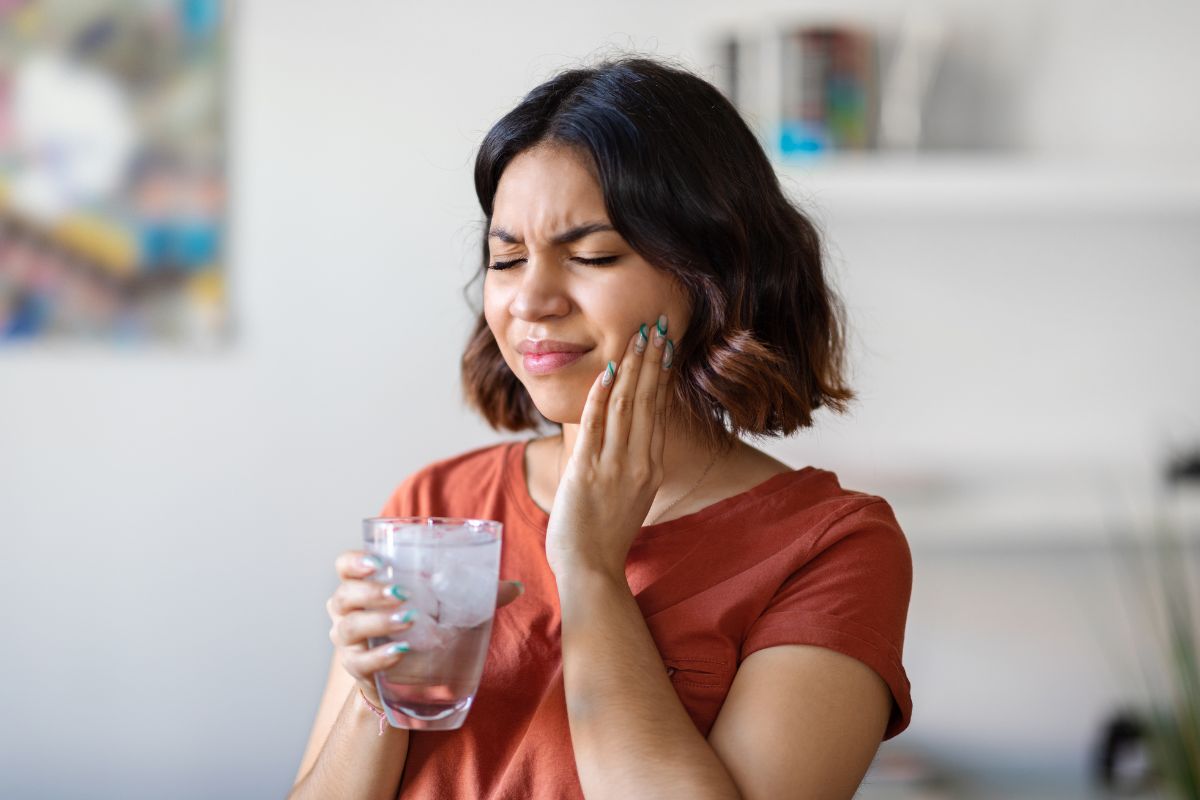
In Kernersville, the shift from chilly winters to hot, humid summers can make tooth sensitivity feel even more noticeable. One day, a warm cup of coffee causes discomfort; the next, an ice-cold drink triggers a sharp, sudden sting. These everyday moments should feel simple, yet for many people, they become something to avoid.
If you have ever winced while enjoying your favorite foods or drinks, you are not alone. Tooth sensitivity is a common concern that can appear without warning. For some, it comes and goes. For others, it becomes a daily frustration that affects how they eat and drink.
The good news is that tooth sensitivity is usually manageable. Once you understand what is causing it, you can take the right steps to find relief and protect your dental health.
What Is Behind Tooth Sensitivity
Tooth sensitivity happens when the protective layers of your teeth wear down or when your gums recede, exposing the inner layer called dentin. Dentin contains tiny channels that lead to the tooth’s nerve. When hot, cold, sweet, or acidic foods reach these pathways, you feel that sharp, sudden discomfort.
A trusted local dentist can help pinpoint the exact cause of your sensitivity and recommend solutions that fit your needs. Sensitivity is not something you should ignore, especially if it becomes more frequent or intense.
What Causes Tooth Sensitivity?
There is rarely just one reason for tooth sensitivity. It often develops from a combination of habits and underlying dental conditions.
One of the most common causes is enamel wear. Over time, brushing too hard or using a hard-bristle toothbrush can gradually wear down enamel. Acidic foods and drinks can also contribute to this process.
Gum recession is another major factor. As gums pull away from the teeth, they expose the root surface, which lacks the same protective enamel.
Other causes include:
• Tooth decay or cavities
• Cracked or chipped teeth
• Teeth grinding, especially at night
• Recent dental procedures such as whitening or fillings
• Gum disease that affects the supporting structures of the teeth
Each of these issues requires a slightly different approach, which is why a professional evaluation matters.
How Does Diet Play A Role In Tooth Sensitivity
Ever wonder why certain foods trigger your sensitivity more than others?
The answer lies in your diet. Highly acidic foods like citrus fruits, soda, and vinegar can wear down your enamel, making your teeth more prone to sensitivity. On the flip side, a balanced diet rich in calcium, vitamin D, and phosphates can help fortify your enamel and reduce discomfort.
Simple Ways to Ease Tooth Sensitivity Before Your Dental Visit
There are several home remedies you can try to manage sensitivity in the meantime:
Desensitizing Toothpaste: Specifically designed to block the nerve pathways that cause pain.
Saltwater Rinse: A natural disinfectant that helps soothe inflammation and discomfort.
Avoid Extreme Temperatures: Eating foods at moderate temperatures reduces stress on sensitive teeth.
These tips may not fully eliminate the problem. However, they can offer temporary relief until you get an appointment for a permanent solution.
When It Is Time to See a Dentist
Occasional sensitivity might not seem like a big deal, but persistent discomfort is a sign that something needs attention. If you notice sharp pain, lingering sensitivity, or discomfort that affects your daily routine, it is time to schedule a dental visit.
Ignoring sensitivity can allow underlying issues to worsen, leading to more complex treatments later on.
How Dentists Treat Tooth Sensitivity
Treatment depends on the cause, but dentists have several effective ways to reduce or eliminate sensitivity.
For mild cases, they may recommend desensitizing toothpaste. These products help block nerve pathways, reducing sensation over time.
Fluoride treatments are another common option. When applied in the dental office, fluoride strengthens enamel and makes teeth more resistant to tooth decay.
If gum recession is the issue, your dentist may suggest treatments that protect exposed roots. In more advanced cases, procedures like bonding or gum grafting can restore protection and comfort.
When sensitivity is linked to grinding, a custom night guard can help prevent further damage. If a cavity or crack is the cause, restoring the tooth with a filling or crown often resolves the problem quickly.
Book An Appointment Today For Relief
Living with sensitive teeth can make everyday moments feel frustrating. The right care can help restore your comfort, so you can enjoy your favorite foods and drinks without hesitation. At Modern Dental of Kernersville, our dedicated dental team takes the time to understand the cause of your sensitivity and provide care that delivers real, lasting relief.
Visit our dental office in Kernersville to schedule your consultation and take the next step toward better oral health and lasting comfort.
FAQs About Tooth Sensitivity
1. What causes sudden tooth sensitivity without an obvious trigger?
Sudden sensitivity can result from micro‑fractures in enamel, undetected decay, or exposed dentin due to gum recession. These issues expose nerve endings, making even mild stimuli produce sharp sensations.
2. Can oral sensitivity reactions be related to sinus or allergy issues?
Yes, sinus pressure and inflammation can press on tooth roots, triggering referred sensitivity, especially in upper teeth. Allergies and sinus congestion can mimic dental pain without direct tooth damage.
3. Why does sensitivity occur after professional dental cleanings?
During deep cleaning, plaque and tartar removal can expose parts of the tooth that were previously shielded. This sudden exposure makes the nerves more reactive until the area adjusts and mineralizes again.
4. Are certain foods more likely to trigger tooth sensitivity?
Foods high in acid (such as citrus or tomatoes) and very cold or very hot foods can rapidly change internal tooth pressure, triggering sharp sensations. Regular exposure without proper enamel protection accelerates sensitivity.
5. Can grinding my teeth make sensitivity worse over time?
Yes, chronic grinding wears down enamel and pushes dentin closer to nerve tissue, increasing sensitivity and the risk of fractures. Without intervention, this wear can lead to persistent discomfort and structural damage.