
Cracked or Chipped Tooth: Emergency Fixes You Need to Know
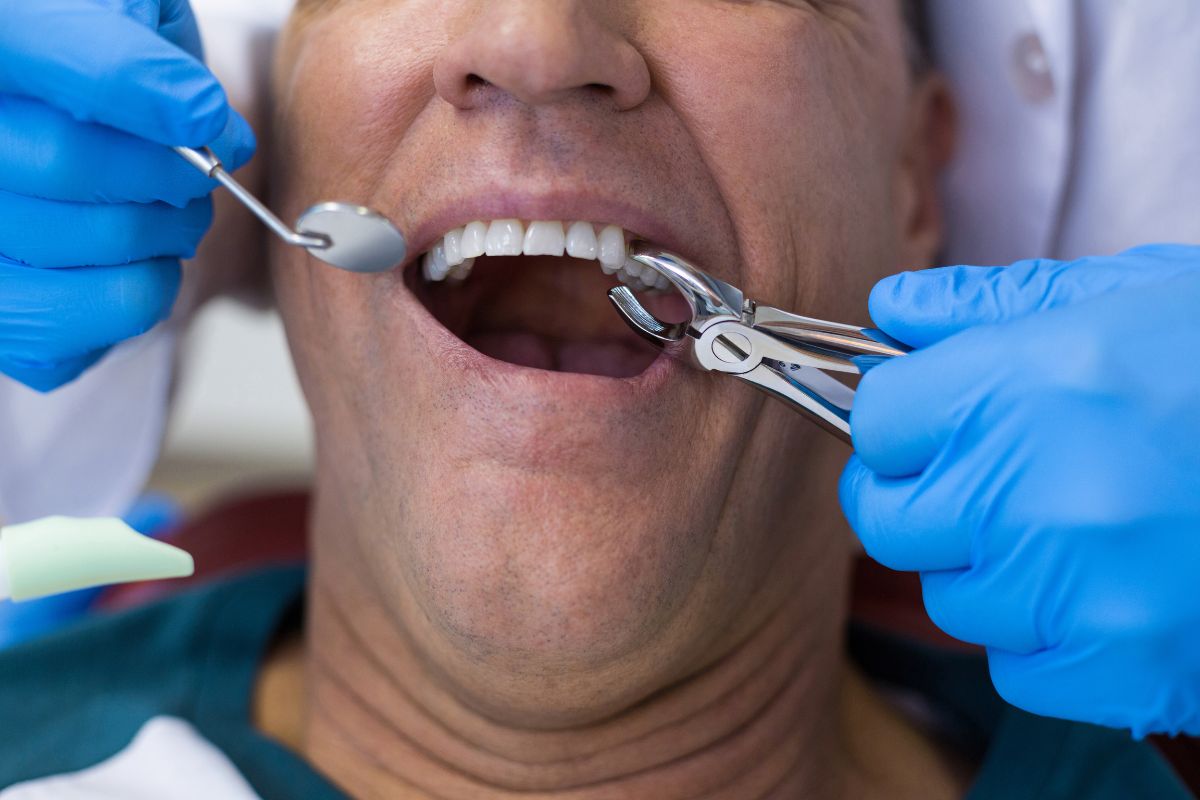
A damaged tooth is not just a cosmetic issue. It can expose sensitive layers, invite bacteria, and lead to pain or infection if ignored. According to the Centers for Disease Control and Prevention, untreated dental issues remain one of the most common health concerns among adults in the United States.
Acting early can prevent complications that require more extensive treatment.
What Actually Happens When a Tooth Cracks or Chips
Not all damage looks dramatic. Some cracks are microscopic, while others break off visible portions of enamel. The severity determines both symptoms and treatment urgency.
Here’s what’s happening beneath the surface:
- Enamel damage exposes dentin, which is far more sensitive
- Deeper cracks can reach the pulp, where nerves and blood vessels live
- Bacteria can enter quickly, increasing infection risk
- Structural weakness makes the tooth prone to further breakage
Even a small chip can evolve into a larger fracture if left untreated.
Common Causes You Should Not Ignore
In many cases, the damage is preventable. Still, everyday habits and lifestyle factors often contribute.
- Biting hard foods like ice, nuts, or hard candy
- Sudden impact during sports or accidents
- Teeth grinding during sleep
- Large fillings weaken tooth structure
- Temperature extremes cause expansion and contraction
Local eating habits can play a role, too. From crunchy fried snacks to chewy desserts, repeated stress on teeth adds up over time.
Immediate Steps You Should Take at Home
The first few hours matter. Your response can reduce discomfort and limit further damage.
- Rinse your mouth gently: Use warm water to clean the area and remove debris.
- Control any bleeding: Apply light pressure with clean gauze if needed.
- Protect the exposed area: If the edge feels sharp, cover it with dental wax or sugar-free gum.
- Reduce swelling: Use a cold compress on the outside of your cheek.
- Avoid chewing on that side: Stick to soft foods and avoid temperature extremes.
These steps stabilize the situation, but they do not replace professional treatment.
When It Becomes a True Dental Emergency
Not every chipped tooth requires immediate intervention. However, certain signs indicate urgency:
- Persistent or severe pain
- Sensitivity that does not fade
- Visible crack extending toward the gumline
- Swelling or signs of infection
- A piece of the tooth breaking off completely
In such situations, visiting an experienced local dentist for emergency care is essential to prevent complications such as abscesses or tooth loss.
How Modern Dentistry Fixes Cracked or Chipped Teeth
Advancements in dental technology now allow highly precise, minimally invasive repairs. The right solution depends on the extent of the damage.
Dental Bonding
A quick and effective option for minor chips. Tooth-colored resin restores shape and appearance in a single visit.
Dental Crowns
Used when a large portion of the tooth is damaged. A crown protects and strengthens the remaining structure.
Root Canal Therapy
If the pulp is affected, this procedure removes infection and preserves the tooth.
Veneers
Ideal for front teeth with cosmetic damage. Veneers restore both strength and appearance.
Dental Implants
In severe cases where the tooth cannot be saved, implants provide a stable, long-term replacement.
Each treatment is planned with accuracy using digital imaging and modern diagnostic tools, ensuring predictable outcomes.
What You Can Eat After a Tooth Injury
Your diet plays a direct role in protecting the damaged tooth until treatment.
Safe options include:
- Soft foods like mashed potatoes, yogurt, and eggs
- Lukewarm soups
- Smoothies without hard add-ins
Avoid:
- Crunchy or hard foods
- Sticky sweets
- Extremely hot or cold items
Think of it this way: your tooth is temporarily vulnerable, and your food choices should reflect that.
Prevention Strategies That Actually Work
Preventing future damage is just as important as fixing the current issue.
- Wear a mouthguard during sports
- Avoid chewing ice or hard objects
- Address teeth grinding with a night guard
- Maintain regular dental visits
- Replace old restorations when needed
Many patients overlook grinding, but it is one of the leading causes of tooth fractures.
Protect Your Teeth Before It Gets Worse
A cracked or chipped tooth rarely improves on its own. Acting quickly can make the difference between a simple repair and a complex procedure. If you’re dealing with sudden tooth damage, don’t wait for the pain to worsen
At Modern Dental of Kernersville, treatment decisions are guided by both clinical expertise and patient-specific needs. This approach ensures that every repair supports long-term oral health, not just short-term relief. For prompt, precise care, visit our dental office in Kernersville and take the first step toward protecting your dental health.
FAQs About Emergency Dental Care for a Chipped or Cracked Tooth
1. Is a chipped tooth always painful?
Not always. Small chips may not hurt immediately. Pain usually occurs when deeper layers are exposed or if the crack reaches the nerve.
2. Can a cracked tooth heal on its own?
No. Teeth cannot regenerate like other tissues. Professional treatment is required to restore strength and prevent further damage or infection.
3. How soon should I see a dentist after damage?
You should seek care as soon as possible. Early evaluation helps prevent complications and often allows for simpler, more conservative treatment options.
4. What happens if I ignore a cracked tooth?
Ignoring it can lead to infection, increased pain, and structural damage. Over time, the tooth may require more extensive treatment or even extraction.
5. Are modern dental repairs noticeable?
No. Today’s materials are designed to closely match natural teeth. Most restorations blend seamlessly with your existing smile and are difficult to detect.
6. Can teeth grinding cause cracks?
Yes. Chronic grinding places excessive pressure on teeth. Over time, this stress can lead to fractures, chips, or worn enamel surfaces.
7. What is the fastest way to fix a chipped tooth?
Dental bonding is usually the quickest solution. It restores the tooth’s shape in a single visit, depending on the extent of the damage.