
Eating and Speaking with Dentures: Expert Tips for Comfort
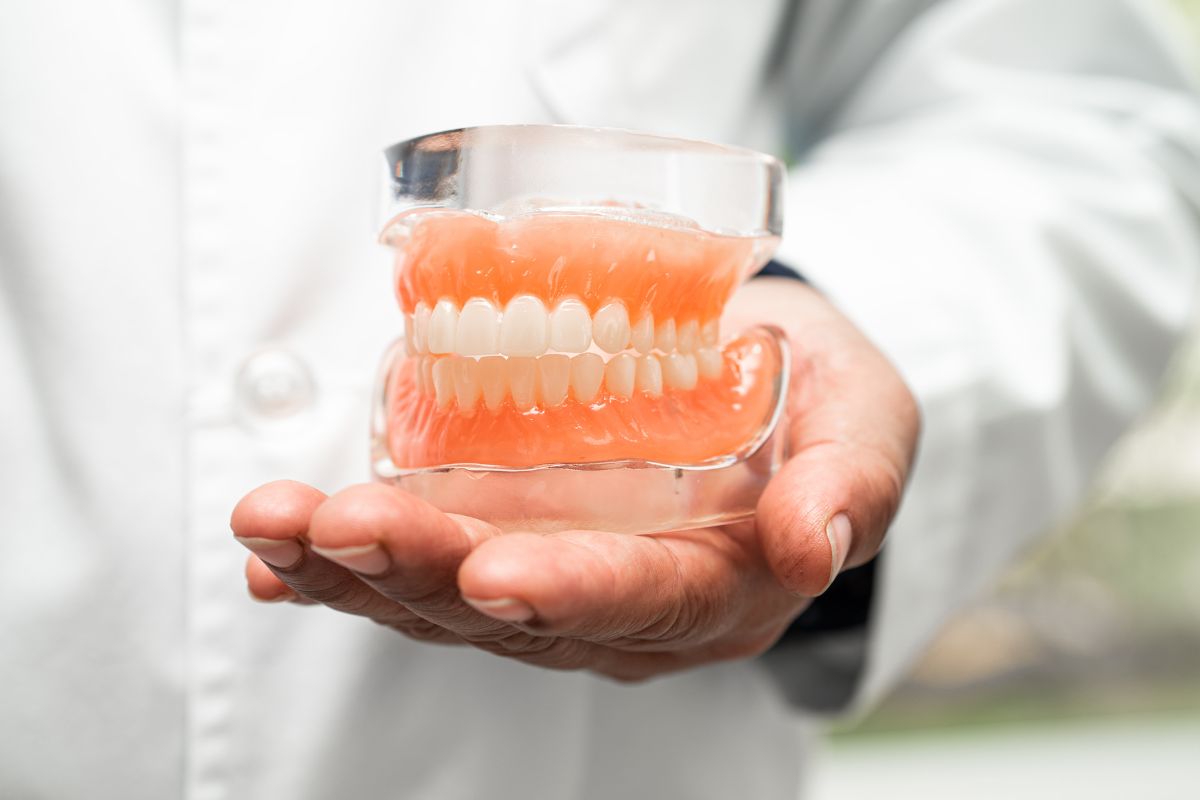
Adjusting to life with dentures can be quite a challenge, particularly when it comes to everyday activities like eating and speaking. Many new denture wearers find themselves frustrated in the early days, unsure of how to navigate their new reality. But with time, patience, and the right techniques, you can enjoy your meals and speak confidently again.
Below, we’ll explore four key areas that will help you ease into life with dentures more smoothly, based on expert advice from dental professionals.
Getting Comfortable with Dentures
Dentures are designed to replace missing teeth and restore your smile, but they may feel unusual at first. It’s normal to experience slight soreness or increased saliva production at first. The key is to give yourself time to adapt. Wearing your dentures consistently, even for short periods, helps your gums and jaw muscles adjust naturally.
Tips for a Smooth Transition
- Start Slowly: Begin by wearing your dentures for a few hours each day, gradually increasing the time.
- Practice Speaking: Read out loud or talk to family members. This helps train your tongue and lips to accommodate the dentures.
- Use Adhesive if Needed: Denture adhesive can stabilize your dentures, making both speaking and eating easier.
Eating with Confidence
Eating with dentures may feel tricky at first, but you can enjoy your favorite foods with a few simple strategies.
- Cut Food into Smaller Pieces: This makes chewing easier and reduces pressure on your gums.
- Chew Evenly: Use both sides of your mouth to prevent dentures from shifting.
- Start with Soft Foods: Begin with foods like cooked vegetables, eggs, or soft meats until your mouth adjusts.
- Avoid Sticky or Hard Foods: These can dislodge your dentures or cause discomfort.
- Take Your Time: Chewing slowly improves digestion and reduces stress on your dentures.
Over time, your chewing efficiency will improve, and you’ll regain the ability to enjoy a wide variety of foods without worry.
Speaking Clearly with Dentures
Speaking clearly is another common adjustment for new denture wearers. At first, you may notice slight slurring or difficulty pronouncing certain words as your mouth adapts to the new fit. This is completely normal and improves with time and practice.
One of the best ways to adjust is by practicing common words and phrases that feel challenging. Repeating them regularly helps your tongue and lips get used to the dentures, making speech more natural over time. Reading aloud each day can also make a big difference. It strengthens your mouth muscles and helps improve clarity and pronunciation in a steady, low-pressure way.
It is equally important to keep your mouth moist. Staying hydrated helps your tongue move smoothly across your dentures, supporting clearer speech. When talking, try not to rush. Speaking slowly gives your mouth time to coordinate with your dentures, reducing slips and mispronunciations.
With consistent practice and a little patience, speaking will begin to feel natural again, and your confidence will continue to grow.
Caring for Your Dentures
Caring for your dentures is essential not only for their longevity but also for your overall oral health. A proper cleaning routine helps prevent stains, odors, and potential infections.
Daily cleaning should be gentle yet thorough. Using a soft brush along with a mild cleanser or a product specifically designed for dentures helps remove food particles and plaque without damaging the surface. At night, dentures should be removed and soaked in water or a recommended solution to maintain their shape and cleanliness.
Equally important is caring for your mouth. Even without natural teeth, your gums, tongue, and palate should be cleaned daily to keep bacteria at bay and maintain a healthy oral environment.
If you ever notice discomfort, looseness, or irritation, it’s best to consult your dentist promptly. Dentures may require occasional adjustments over time as your gums and jawbone naturally change.
Ready to Enjoy Life with Dentures?
At Modern Dental of Kernersville, we understand the challenges of adjusting to dentures. Our team offers personalized guidance to make your transition smooth and comfortable.
Visit our dental office in Kernersville to learn tips, have your dentures professionally adjusted, and restore your confidence in your smile. Your comfort and confidence are our priority.
FAQs About Eating and Speaking with Dentures
- How long does it take to get used to dentures?
Most people adjust within a few weeks, but it may take longer depending on your mouth and the type of denture. - Can I eat normally with dentures?
Yes, with practice and small adjustments, most foods can be enjoyed safely. - Why do my dentures feel loose?
Changes in your gums or jawbone can affect fit. Denture adhesive or an adjustment from your dentist can help. - Will dentures affect my speech permanently?
No. Most speech issues resolve with consistent practice and adaptation. - Are there foods I should avoid completely?
Hard, sticky, or overly chewy foods can dislodge dentures. Eat these cautiously or avoid them until you’re comfortable. - How do I prevent sore spots?
Ensure your dentures fit well, practice gradual wearing, and visit your dentist for adjustments if irritation persists. - Can I sleep with my dentures?
It’s generally recommended to remove them at night to give your gums a rest and reduce the risk of irritation or infection.