
Can Dental Implants Help with Jawbone Degeneration?
Many people think the biggest consequence of losing a tooth is the visible gap left behind. While appearance and chewing ability are certainly affected, another important change often happens beneath the surface. The jawbone begins to shrink.
This process, known as jawbone degeneration or bone loss, affects millions of adults. Unfortunately, it can progress quietly for years before noticeable symptoms appear. Over time, bone loss may alter facial appearance, affect neighboring teeth, and create challenges for future tooth replacement options.
Whether a tooth was lost due to decay, gum disease, injury, or another cause, replacing it promptly can help protect more than just your smile. One of the most effective solutions available today is dental implant treatment. Unlike many traditional tooth replacement options, implants interact directly with the jawbone, helping support both function and bone health.
What Is Jawbone Degeneration?
Your jawbone is living tissue. Like other bones in the body, it constantly responds to stimulation and adapts over time.
When natural teeth are present, everyday activities such as chewing and biting create pressure that travels through the tooth roots into the surrounding bone. This stimulation signals the body to maintain healthy bone density.
When a tooth is lost, that stimulation disappears. Without regular stimulation, the body begins to break down bone in the area where the tooth once existed. Over time, the bone becomes thinner, weaker, and less dense. This process is called jawbone degeneration.
Bone loss can begin within the first year after tooth loss and may continue for many years if the missing tooth is not replaced.
Why Bone Loss Matters
Some people assume jawbone changes are purely cosmetic. While appearance is certainly affected, bone loss can also create several functional concerns.
As the jawbone shrinks, nearby teeth may begin shifting out of position. This can affect bite alignment and create difficulties while chewing. Bone loss may also contribute to changes in facial structure. The lower portion of the face can appear sunken or collapsed, making individuals look older than they actually are.
In severe cases, extensive bone loss can make future restorative treatment more complex. Protecting the jawbone is an important part of maintaining overall oral health and long-term function.
Common Causes of Jawbone Degeneration
Several factors can contribute to jawbone loss. The most common cause is tooth loss. When a tooth is removed or falls out, the surrounding bone no longer receives the stimulation needed to remain healthy.
Other contributing factors may include:
- Advanced gum disease
- Untreated dental infections
- Trauma to the mouth
- Poorly fitting dentures
- Certain medical conditions affecting bone health
While these issues may differ in cause, they often share a common outcome: gradual loss of jawbone density.
How Dental Implants Work
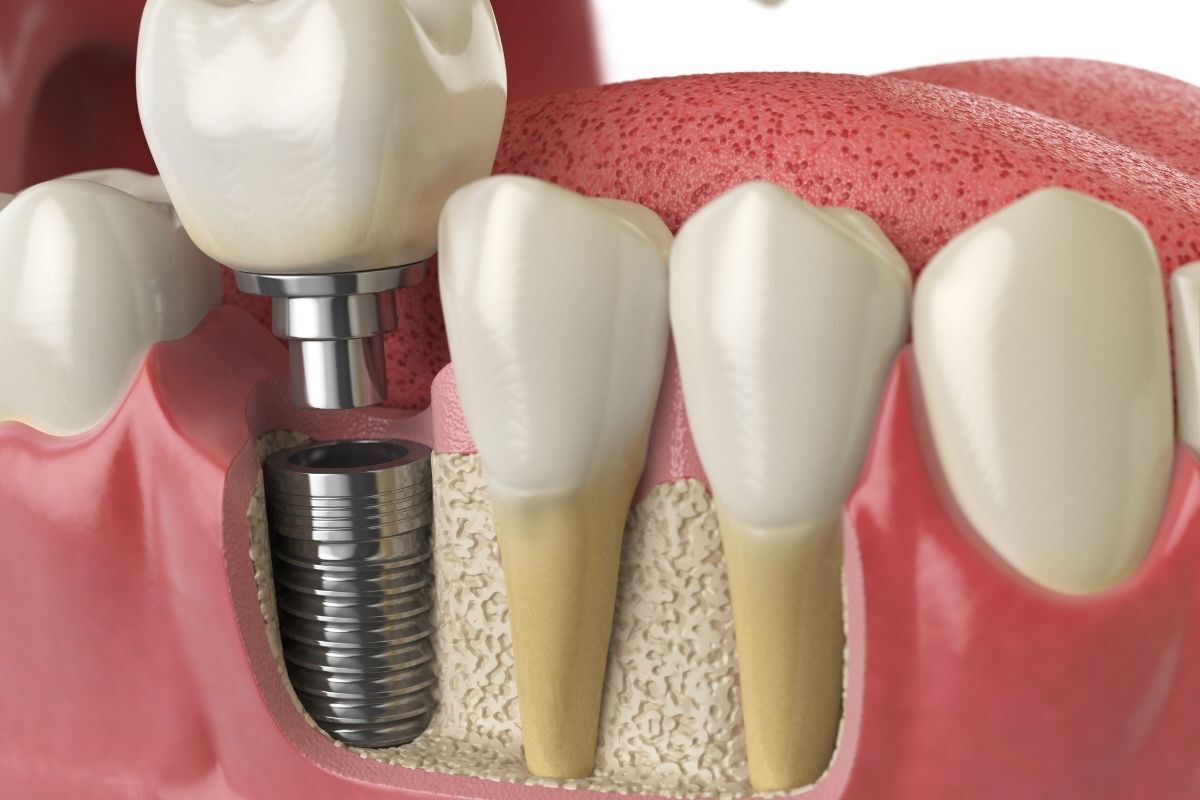
To understand how implants help preserve bone, it is helpful to understand their design. A dental implant consists of a small titanium post that is placed directly into the jawbone. This post functions as an artificial tooth root.
After placement, the implant undergoes a process called osseointegration. During this healing phase, the bone naturally fuses with the implant surface. Once healing is complete, a custom restoration is attached to the implant, creating a replacement tooth that looks and functions much like a natural tooth.
Because the implant becomes integrated with the bone, it provides stability while also delivering important stimulation to the surrounding jawbone.
Can Dental Implants Help Prevent Jawbone Degeneration?
Unlike traditional bridges or removable dentures, implants replace both the visible portion of the tooth and the root beneath the gums. When you chew, bite, and speak, the implant transfers pressure into the jawbone in a way that closely resembles a natural tooth.
This stimulation helps encourage normal bone maintenance and reduces the rate of bone loss that often follows tooth extraction. While implants cannot completely reverse severe bone loss in every situation, they are widely recognized as one of the most effective tools available for preserving existing jawbone structure.
How Dental Implants Compare to Other Tooth Replacement Options
Traditional tooth replacement methods can restore appearance and function, but they do not all provide the same benefits for jawbone preservation.
A dental bridge fills the gap created by a missing tooth, but it does not replace the tooth root. As a result, the underlying bone may continue shrinking over time.
Removable dentures can improve appearance and chewing ability, but they generally do not stimulate the jawbone in the same way natural roots or implants do.
Dental implants remain unique because they integrate directly with the jawbone and help maintain bone stimulation during daily function.
This distinction makes them an important option for patients concerned about long-term bone health.
Why Early Action Matters
Timing can make a significant difference in preserving jawbone health.
The longer a tooth remains missing, the greater the potential for bone loss. Early replacement can help reduce the extent of degeneration and simplify future treatment.
Rebuild Confidence and Protect Your Jawbone Health
Missing teeth can impact far more than your smile. Over time, they can contribute to jawbone deterioration, affect your ability to chew comfortably, and change the overall structure of your face. At Modern Dental of Kernersville, we create personalized treatment plans designed to restore function, maintain bone health, and help you achieve lasting results.
Whether you have recently lost a tooth or have been living with tooth loss for years, our experienced team is here to guide you through your options and provide care tailored to your unique needs. Contact our Kernersville dental office today to learn how dental implants can help restore your confidence, improve stability, and support your long-term oral health.
FAQs About Jawbone Health and Dental Implants
1. Do dental implants prevent jawbone loss?
Dental implants help reduce bone loss by replacing the missing tooth root and stimulating the jawbone during daily activities such as chewing and speaking. This stimulation encourages the body to maintain bone density in the area.
2. Can jawbone loss occur after a tooth is removed?
Yes. Once a tooth is lost, the surrounding bone no longer receives regular stimulation. As a result, the body may gradually begin breaking down the bone in that area over time.
3. Are dental implants better than dentures for bone preservation?
Dental implants generally provide greater bone preservation benefits because they integrate directly with the jawbone. Traditional dentures replace missing teeth but do not typically stimulate the underlying bone structure.
4. Can I get dental implants if I already have bone loss?
Possibly. Many patients with bone loss may still qualify for implant treatment. In some situations, bone grafting procedures can help rebuild the area before implant placement.
5. How long do dental implants last?
With proper care and regular dental visits, dental implants can last for many years. Their longevity depends on factors such as oral hygiene, overall health, and lifestyle habits.
6. Is jawbone degeneration reversible?
Mild to moderate bone loss may sometimes be addressed through procedures such as bone grafting. However, prevention and early intervention remain the most effective strategies for maintaining jawbone health.
7. How soon after tooth loss should I consider dental implants?
It is generally beneficial to explore replacement options as soon as possible after tooth loss. Early treatment may help reduce bone deterioration and improve long term treatment outcomes.