Before and After Dental Implants: Essential Care Tips
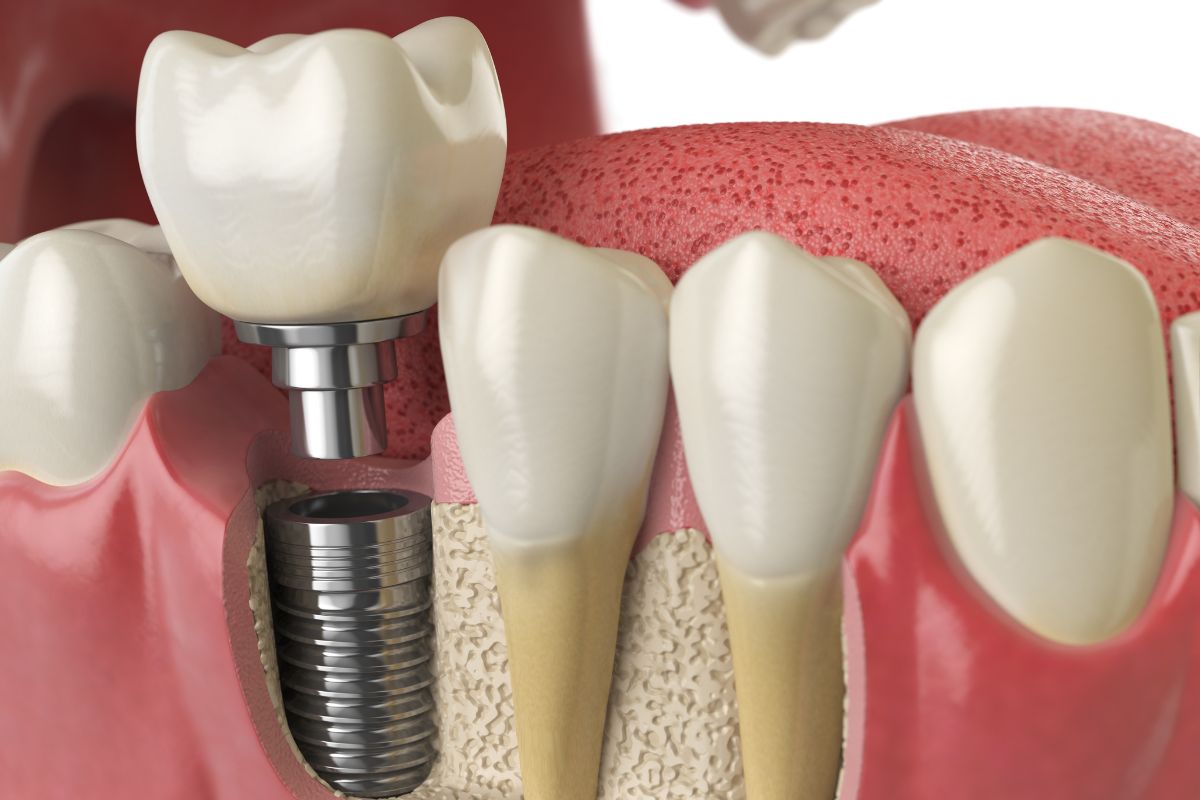
Dental restorations are a long-lasting solution for replacing missing teeth, and many dental professionals recommend them for their durability and natural appearance. If you’re considering a tooth replacement option, understanding how to properly prepare for the procedure and care for your restoration afterward is essential for long-term success. Let’s explore why professional dental care before and after dental implants is an important for achieving lasting results.
Preparing for Dental Implants: What to Do Before Surgery
Proper preparation plays a major role in the success of your dental implants. Before your procedure, your dentist will guide you through several important steps to ensure your mouth and body are ready.
1. Schedule a Comprehensive Consultation
Your first visit will include a detailed review of your medical and dental history. Your dentist may take digital X-rays and 3D imaging (CBCT scans) to evaluate your jawbone density and determine the ideal placement for your implant. This planning phase ensures precision and long-term stability.
2. Discuss Medical Conditions and Medications
Be sure to inform your dentist about any health conditions, such as diabetes, heart disease, or autoimmune disorders. Certain medications, especially blood thinners, may need to be adjusted prior to surgery under your physician’s supervision.
3. Stop Smoking and Limit Alcohol
Smoking significantly increases the risk of implant failure because it restricts blood flow and slows healing. It’s strongly recommended to stop smoking at least two weeks before and after surgery. Reducing alcohol intake also supports faster healing and lowers complications.
4. Follow Pre-Surgery Instructions
Your dentist may provide specific instructions regarding eating, drinking, or taking medications before your procedure. Following these guidelines carefully reduces surgical risks and improves outcomes.
5. Maintain Excellent Oral Hygiene
Healthy gums are essential for implant success. Brush twice daily, floss regularly, and use an antibacterial mouth rinse if recommended. A clean, infection-free mouth provides the best environment for healing.
How Do You Care For Your Teeth After A Dental Implant?
Once your implant is placed, proper aftercare ensures successful healing and long-term durability.
Manage Swelling and Discomfort
Mild swelling and bruising are normal after implant surgery. Apply a cold compress to the outside of your cheek for 15–20 minutes at a time during the first 24 hours. Your dentist may also recommend over-the-counter or prescribed pain medication.
Stick to Soft Foods
For the first few days, choose soft foods such as yogurt, mashed potatoes, scrambled eggs, smoothies, and lukewarm soups (not hot). Avoid crunchy, sticky, or hard foods that could disturb the implant site.
Avoid Strenuous Activity
Physical exertion can increase blood flow and swelling, potentially disrupting the healing process. Rest for at least 48 hours and gradually return to normal activities as advised by your dentist.
Keep the Area Clean
Good oral hygiene remains critical after surgery. Use a soft-bristled toothbrush and gently clean your teeth while avoiding direct pressure on the implant site. Your dentist may recommend a saltwater rinse or antimicrobial mouthwash to prevent infection.
Attend Follow-Up Appointments
Regular follow-up visits allow your dentist to monitor healing and ensure proper osseointegration—the process where the implant fuses with the jawbone. Long-term success depends on consistent professional care.
Long-Term Maintenance for Implant Success
Dental implants are designed to be a durable and permanent solution, but they still require proper care. Brush and floss daily, maintain routine dental cleanings every six months, and avoid habits such as teeth grinding or chewing on hard objects. With proper care, implants can last decades or even a lifetime.
Living in Kernersville means staying active and social. A healthy, stable smile allows you to confidently enjoy everything our community has to offer.
Restore Your Smile Today in Kernersville
Maintaining the function and appearance of your dental restorations requires consistent care and professional support. After receiving dental implants, ongoing dental visits and proper home care are essential to ensure long-term success and durability. At Modern Dental of Kernersville, our experienced team is committed to guiding you through every stage of your implant journey, from consultation to aftercare. We provide personalized treatment plans, advanced technology, and compassionate care tailored to your unique needs.
Ready to restore your oral health with confidence? Contact our dental office in Kernersville today to schedule your consultation and take the first step toward a healthier, stronger smile.
FAQs: Essential Care Tips Before and After Dental Implants
1. How long does it take to heal after dental implant surgery?
Initial healing typically takes one to two weeks, but full integration with the jawbone can take three to six months. Healing time varies based on your overall health and bone quality. Your dentist will monitor progress during follow-up visits.
2. Are dental implants painful?
Most patients report minimal discomfort during the procedure because local anesthesia is used. After surgery, mild soreness and swelling are normal but manageable with prescribed or over-the-counter medication. Discomfort usually subsides within a few days.
3. How long do dental implants last?
With proper care and regular dental visits, implants can last 20 years or more. Many patients enjoy lifetime results when they maintain good oral hygiene and avoid damaging habits.
4. Who is a good candidate for dental implants?
Ideal candidates have healthy gums and sufficient jawbone density to support the implant. Non-smokers or those willing to quit have higher success rates. A thorough evaluation will determine your eligibility.
5. Can dental implants fail?
While rare, implant failure can occur due to infection, smoking, poor oral hygiene, or medical conditions. Following pre- and post-operative instructions significantly reduces risks and improves long-term success.
6. What foods should I avoid after implant surgery?
Avoid hard, crunchy, spicy, or extremely hot foods during the early healing period. Stick to soft, nutrient-rich foods that are easy to chew and swallow to protect the surgical site.
7. Do dental implants require special cleaning products?
Dental implants do not require special products, but a soft-bristle toothbrush and non-abrasive toothpaste are recommended. Your dentist may also suggest floss designed for implants or an antibacterial rinse for added protection.