Can Small or Uneven Teeth Be Improved With Dental Veneers?
Meta title: Can You Get Veneers for Small or Uneven Teeth?
Meta description: Find out how veneers can improve small or uneven teeth, what makes someone a good candidate, and which alternatives may suit your smile.
Small or uneven teeth can make your smile look less balanced, especially when one tooth appears shorter, narrower, or differently shaped than the others. The good news is that these concerns do not automatically rule out cosmetic treatment. In many cases, thin porcelain shells can change the visible size, shape, and proportions of teeth.
If you are considering this option in Kernersville, NC, the first step is understanding why your teeth look uneven and whether their condition makes them suitable for treatment.
Can Small Teeth Be Made to Look Larger?
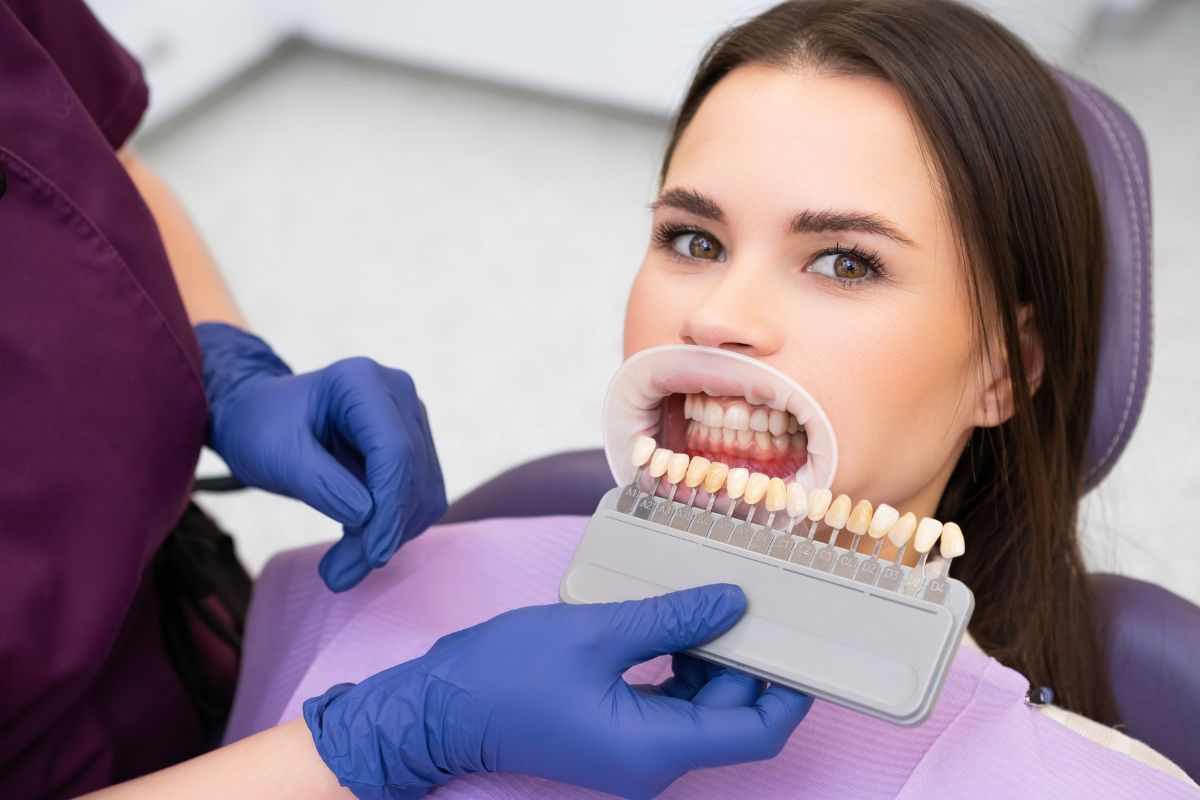
Yes. Custom designed shells can cover the front surfaces of smaller teeth, making them appear wider, longer, or more proportionate to the surrounding teeth. Porcelain veneer treatment can be considered when the goal is to improve the visible size, shape, and balance of natural teeth.
For example, some people naturally have smaller front teeth that create noticeable spaces in their smile. Others may have teeth that look short because years of wear have gradually reduced their length. A carefully planned restoration can improve these proportions and create a more consistent appearance.
However, the goal should not be to make every tooth look unusually large. The dentist considers your natural tooth shape, gumline, facial features, and smile proportions when planning the final appearance.
Can Uneven Teeth Be Corrected Without Braces?
It depends on what makes the teeth uneven.
If one tooth is slightly shorter, narrower, chipped, or misshapen, a cosmetic restoration may help create a more balanced appearance. It can also make small spaces less noticeable when the surrounding teeth are otherwise well aligned.
However, these restorations do not physically move teeth into new positions. If your teeth overlap significantly, sit far out of alignment, or create bite problems, orthodontic treatment may be a better starting point.
A dental evaluation can help identify the cause of uneven teeth and determine which treatment options may suit your needs. Access to personalized dental care also helps ensure that recommendations consider both your smile goals and overall oral health.
What Makes Someone a Good Candidate?
Having small or uneven teeth does not automatically make you a suitable candidate. The condition of your natural teeth and gums matters just as much as your cosmetic goals.
You may be a suitable candidate if:
- Your teeth have enough healthy enamel to support bonding.
- Your gums are healthy and free from untreated disease.
- Your teeth have minor differences in length, width, or shape.
- You want to improve visible imperfections without changing your entire smile.
- Your bite does not place excessive pressure on the planned restorations.
People who grind their teeth, have untreated cavities, or experience significant gum problems may need other treatment first. An oral health specialist can assess these concerns before recommending cosmetic changes.
When Might Another Treatment Be Better?
Not every uneven tooth needs a porcelain restoration. Sometimes, a simpler option can achieve the desired result with less alteration to natural tooth structure.
Dental bonding: Tooth colored composite resin can reshape a slightly short, chipped, or narrow tooth. It may work well for smaller cosmetic adjustments.
Orthodontic treatment: Clear aligners or other orthodontic options can move teeth that overlap, rotate, or sit unevenly. This addresses alignment rather than simply changing how the teeth look.
Tooth contouring: If a tooth has a small amount of excess enamel or an uneven edge, careful reshaping may improve its appearance.
The right choice depends on the cause of the unevenness, your dental health, and how much change you want. It is also important to understand that traditional porcelain restorations usually require some enamel removal, making the decision a long term one.
Give Your Smile a More Balanced Appearance
Small differences in tooth size or shape do not always require extensive treatment. The right approach starts with understanding what is causing the uneven appearance and choosing an option that respects your natural teeth.
At Modern Dental of Kernersville in Kernersville, NC, you can discuss your cosmetic goals, explore ways to improve tooth shape and proportions, and schedule an appointment to find out which approach may suit your smile. Before your visit, you can also view the office location and get directions.
Frequently Asked Questions
1. Can naturally small teeth support porcelain restorations?
Often, yes. The dentist must first check whether the teeth have enough healthy enamel and suitable proportions to support the planned restoration.
2. Can these restorations close small gaps between teeth?
They can sometimes make minor gaps less noticeable by changing the visible width of the teeth. Larger spaces may require orthodontic treatment.
3. Will my teeth look too large afterward?
They should not if the treatment is planned carefully. The dentist considers your natural tooth proportions and smile when selecting the shape and size.
5. Are there options that do not require enamel removal?
Some conservative approaches may require little preparation, but suitability varies. Your dentist can explain how much natural tooth structure a particular option may involve.