
Safe Teeth Whitening Solutions for Sensitive Teeth
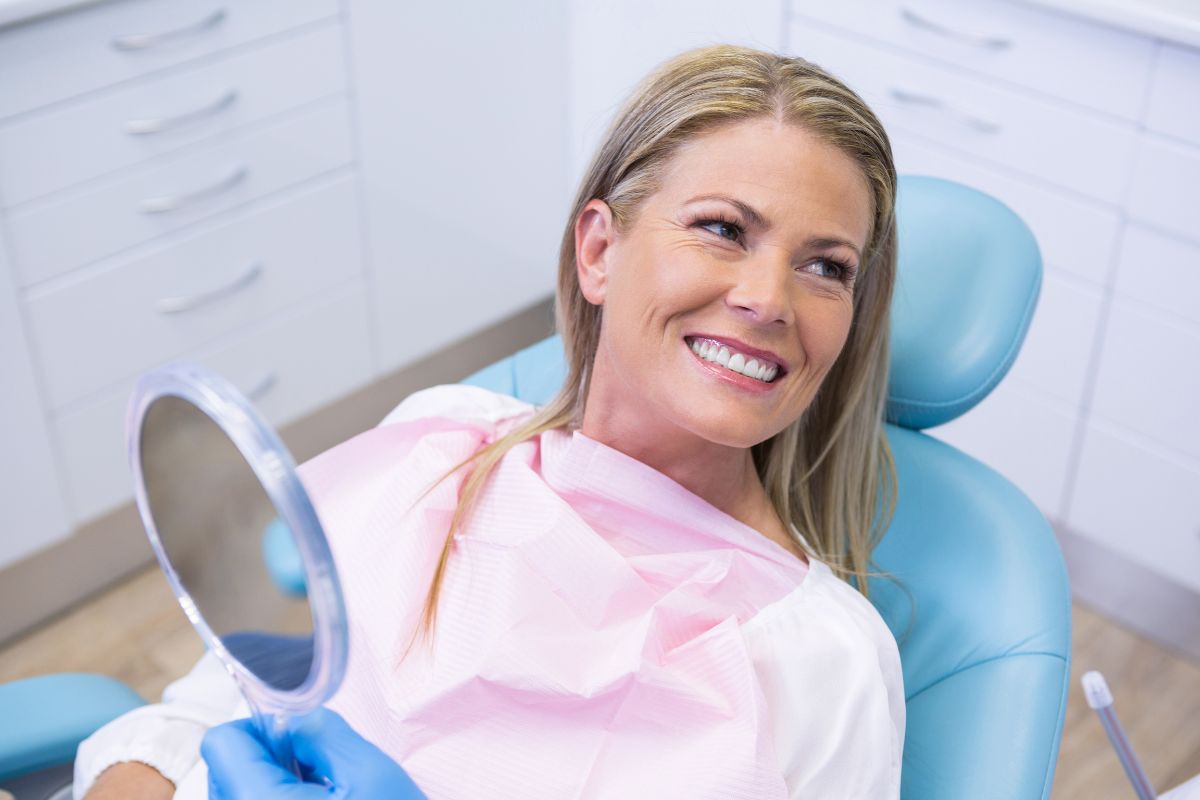
Kernersville is known for its energy, style, and vibrant lifestyle. Shouldn’t your smile reflect that same brilliance? From morning coffee runs to dining at your favorite local restaurants, everyday habits can leave stubborn stains on your teeth over time. But if you have sensitive teeth, achieving a brighter smile may feel challenging.
Fear not, Kernersville residents! This blog dives into teeth whitening for sensitive teeth, providing you with valuable information and exploring options to help you achieve a beautiful smile without discomfort.
Understanding Tooth Sensitivity
Before exploring professional teeth-whitening treatment, it’s important to understand why tooth sensitivity occurs.
Enamel Erosion
Enamel is the protective outer layer of your teeth. Over time, it can wear down due to aggressive brushing, acidic foods and drinks, grinding, or natural aging. When enamel thins, the underlying dentin layer becomes exposed. Dentin contains microscopic tubules that connect directly to the nerves inside your teeth. When exposed to heat, cold, sweetness, or whitening agents, these tubules can trigger discomfort.
Gum Recession
Receding gums can also expose the root surfaces of your teeth. Unlike enamel, roots lack a thick outer layer, making them more sensitive to temperature changes and whitening products.
If you already experience sensitivity, it’s essential to choose a whitening method that protects your enamel and minimizes irritation.
Teeth Whitening Options for Sensitive Teeth
If you have sensitive dentin and are considering whitening options, it’s important to choose treatments that are gentle and specifically designed for people like you. Below are some of the options for overreactive teeth:
1. Whitening Toothpastes
Whitening toothpastes are among the most accessible and gentle options. They work by gradually removing surface stains through mild abrasives. While they might not provide dramatic results as professional treatments, they can help maintain a brighter smile and reduce minor discoloration. Look for toothpastes that specifically mention being designed for sensitive teeth to avoid further irritation.
2. Custom Tray For Whitening
Custom tray whitening is a professional treatment offered at dental offices. This method involves creating a custom mold of your teeth, allowing you to wear whitening trays tailored to your mouth. A whitening gel is applied to the inside of the tray and worn for a specific period. Since the trays are custom-fitted, they prevent the whitening gel from contacting your gums, reducing irritation. This method is effective and gentle on overreactive teeth, as the gel’s strength can be adjusted to suit your needs.
3. In-Office Teeth Whitening
In-office whitening treatments are more intensive than at-home options but can deliver quick results. The treatment is typically done in one session, with a whitening gel applied to your teeth, activated by a special light. While this method provides fast results, it can sometimes cause more sensitivity than other options. However, many dental offices now offer treatments specifically designed to be gentler on teeth with sensitivity, allowing you to achieve a whiter smile without discomfort.
4. Whitening Strips and Gels
Over-the-counter whitening strips and gels can also be a good option for individuals with painful teeth, but it’s important to choose products designed for sensitivity. These strips or gels typically contain a lower concentration of hydrogen peroxide, which can reduce the risk of irritation. Make sure to follow the instructions carefully, as overuse can lead to tooth sensitivity and gum irritation.
5. Desensitizing Treatments
Many professional whitening treatments, including in-office procedures and custom trays, offer desensitizing gels or other treatments to help reduce discomfort during the process. These gels contain fluoride or potassium nitrate, which work by blocking nerve sensitivity in your teeth. Talk to your dentist about desensitizing options that can be added to your whitening treatment to minimize discomfort and protect your teeth.
Choosing the Right Option for You
When it comes to sensitive dentin, one size does not fit all. It’s crucial to consult with your dentist to discuss your specific needs and find a whitening solution that works best for you. Professional treatments, like custom trays and in-office whitening, can often be tailored to minimize sensitivity while still achieving great results.
Tips to Minimize Sensitivity During Whitening
If you have sensitive teeth and are planning to whiten them, these tips can help reduce discomfort:
- Use a soft-bristled toothbrush and brush gently.
- Avoid acidic foods and beverages such as citrus fruits, soda, and sports drinks.
- Incorporate a desensitizing mouthwash into your routine.
- Avoid overusing whitening products.
- Take breaks between treatments if recommended by your dentist.
Your dentist can also suggest fluoride treatments or other protective options to strengthen enamel before whitening.
Be Cautious with Over-the-Counter Whitening Products
Drugstore whitening strips, gels, and trays may seem convenient, but they often contain higher concentrations of peroxide than you might expect. Without professional guidance, these products can worsen sensitivity or irritate your gums.
Additionally, one-size-fits-all trays may not fit properly, leading to uneven whitening or increased discomfort. Before starting any at-home whitening product, it’s best to consult with a dental professional. Experts care ensures your whitening journey is both comfortable and effective.
Brighten Your Smile with Confidence
You deserve a radiant smile that reflects your confidence and lifestyle. Tooth sensitivity doesn’t have to stand in the way of achieving the bright, beautiful smile you want.
At Modern Dental of Kernersville, we can evaluate your oral health, identify the cause of your sensitivity, and recommend the safest approach for achieving your desired results. Our expert dental team is here to help you achieve the smile you’ve always wanted without worrying about discomfort.
Visit our dental office in Kernersville, or book an appointment online to ask about our teeth-whitening treatment options for sensitive teeth.
FAQs About Teeth Whitening Solutions for Sensitive Teeth
1. Can teeth whitening make my sensitive teeth worse?
Teeth whitening can cause temporary sensitivity, but treatments such as desensitizing gels and lower-concentration whitening products can minimize discomfort.
2. How long do the results of teeth whitening last?
The results of teeth whitening can last anywhere from six months to two years, depending on your lifestyle and oral care habits. Regular touch-ups can help maintain a brighter smile.
3. Can I whiten my teeth at home if I have sensitive teeth?
Yes, there are at-home whitening options, such as whitening toothpaste or custom trays, specifically designed for teeth that are painful. Be sure to follow the instructions and consult your dentist for recommendations.
4. Are there any risks to whitening sensitive teeth?
If not done properly, teeth whitening can irritate sensitive teeth and gums. However, using products designed for painful teeth and following professional advice can minimize these risks.
5. Will teeth whitening work on crowns or veneers?
Teeth whitening treatments only work on natural tooth enamel and will not whiten crowns, veneers, or fillings. If you have these restorations, you may need to replace them to achieve a uniform shade.
6. How can I prevent sensitivity after whitening?
Use desensitizing toothpaste, avoid hot or cold foods right after whitening, and follow your dentist’s advice on using fluoride treatments or gels to protect your teeth from sensitivity.