Felt a Sudden Sharp Pain While Chewing? Here’s What It Could Mean
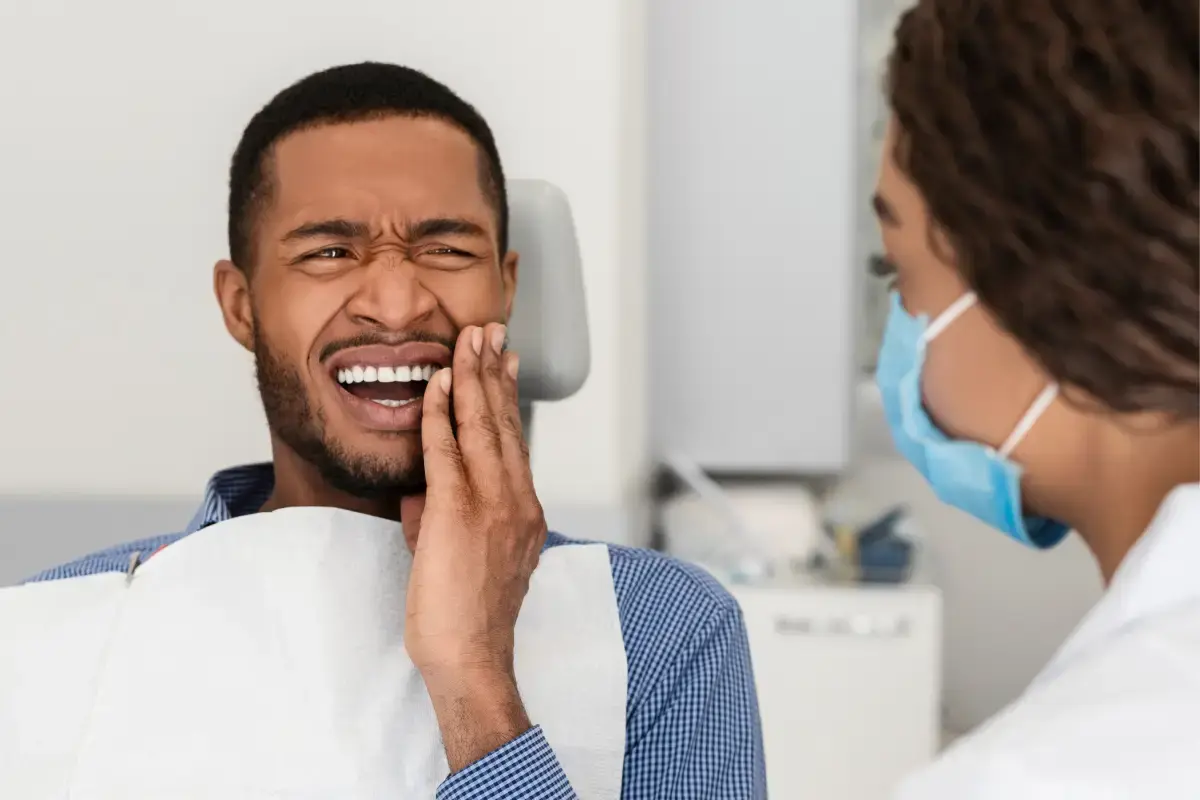
You take a normal bite of food, and out of nowhere there’s a quick, sharp pain when chewing that catches you completely off guard. Then, just as quickly, it’s gone. It’s easy to brush off a moment like that, especially when the pain doesn’t come back right away. But that fleeting jolt is often your mouth’s way of flagging a problem that deserves a closer look before it turns into something bigger.
That kind of sudden pain isn’t random. There’s usually a specific reason your tooth reacted that way, and figuring out what it is can save you from a much more complicated (and expensive) fix down the road. Getting professional care for a cracked tooth can help prevent the damage from becoming more serious, especially when pain keeps returning during chewing. Here’s a closer look at what that sharp pain might be telling you.
Decoding the Pain: What Sharp, Sudden Pain Usually Means
Not all tooth pain feels the same, and the pattern of your discomfort can actually offer clues about what’s happening underneath. A few scenarios are especially common:
Pain that hits, then disappears almost instantly
This “bite and release” pattern is a classic sign of a cracked molar or fractured tooth. The pressure of biting down flexes the crack open slightly, irritating the nerve inside, and the pain eases the moment you stop biting and the crack closes back up.
Pain that lingers after chewing has stopped
If the discomfort sticks around for a while after you’re done eating, this can point to deeper nerve involvement, possibly meaning the crack or damage has progressed further into the tooth than a surface-level issue.
Pain triggered specifically by hot or cold foods while chewing
This combination often signals exposed dentin or a compromised filling, where the protective layers of the tooth are no longer doing their job.
A dull ache that occasionally sharpens
This pattern is sometimes associated with a cavity that’s grown large enough to reach sensitive inner layers of the tooth, especially if it worsens gradually over weeks.
Common Cracked Tooth Symptoms to Watch For
Beyond the pain itself, there are a handful of other signs that often show up alongside a cracked or damaged tooth:
- Sensitivity to sweet foods that seems new or worsening
- A visible line or chip on the tooth’s surface, even a faint one
- Occasional swelling in the gum tissue near a specific tooth
- Discomfort that seems to move around or is hard to pinpoint to one exact tooth
- A feeling that something “doesn’t sit right” when you bite down normally
If you’re noticing even one or two of these alongside the sharp pain, it’s a strong signal that something structural is going on rather than simple sensitivity.
Why Cracks Are Notoriously Tricky to Diagnose
Cracked teeth have earned a bit of a reputation among dentists for being difficult to catch early. Unlike a cavity, which usually shows up clearly on an X-ray, a crack can be nearly invisible, especially if it hasn’t fully separated the tooth yet. This is part of why the pain pattern itself, that quick jab when biting down, is often one of the most reliable clues available before more advanced imaging or testing is done.
Getting this kind of thorough look is really the only reliable way to know exactly what’s causing the pain and how urgently it needs to be treated. If you’ve been experiencing this kind of discomfort, contact Modern Dental NC and our team can help figure out exactly what’s going on before it gets worse.
Don’t Ignore Sharp Pain When Chewing
That sudden, sharp pain when biting down is rarely something to ignore, even if it comes and goes quickly. At Modern Dental NC, our team can evaluate the source of your discomfort and determine whether a crack or another dental issue is responsible. If you’re in the Kernersville area and dealing with unexplained pain while chewing, visit our dental office in Kernersville so we can identify the problem and help you find the right solution before it gets worse.
Frequently Asked Questions
1. Why does my tooth hurt only when I bite down, and not otherwise?
This “bite pain” pattern is a hallmark sign of a cracked tooth. The pressure of biting temporarily flexes the crack, irritating the nerve, and the pain typically fades once you release the bite.
2. Can a cracked molar heal without treatment?
No, teeth cannot repair themselves once cracked. Without treatment, a crack usually worsens over time and can eventually affect the tooth’s nerve or lead to further fracturing.
3. Why don’t cracks always show up on X-rays?
Cracks often run along the tooth in a direction that doesn’t create the kind of shadow or gap X-rays are good at detecting, which is why a physical exam and bite testing are just as important.
4. Is sharp pain while chewing always a sign of a crack?
Not always. It can also indicate a loose filling, a cavity reaching the inner tooth layers, or gum-related issues, which is why a proper dental evaluation is important for an accurate diagnosis.
5. How soon should I see a dentist after noticing this kind of pain?
It’s best not to wait, since cracks and other underlying issues tend to worsen over time. Scheduling an evaluation as soon as the pain becomes noticeable gives you the best chance of a simpler fix.