Waking Up With Jaw Pain or Headaches? It Might Not Be Stress
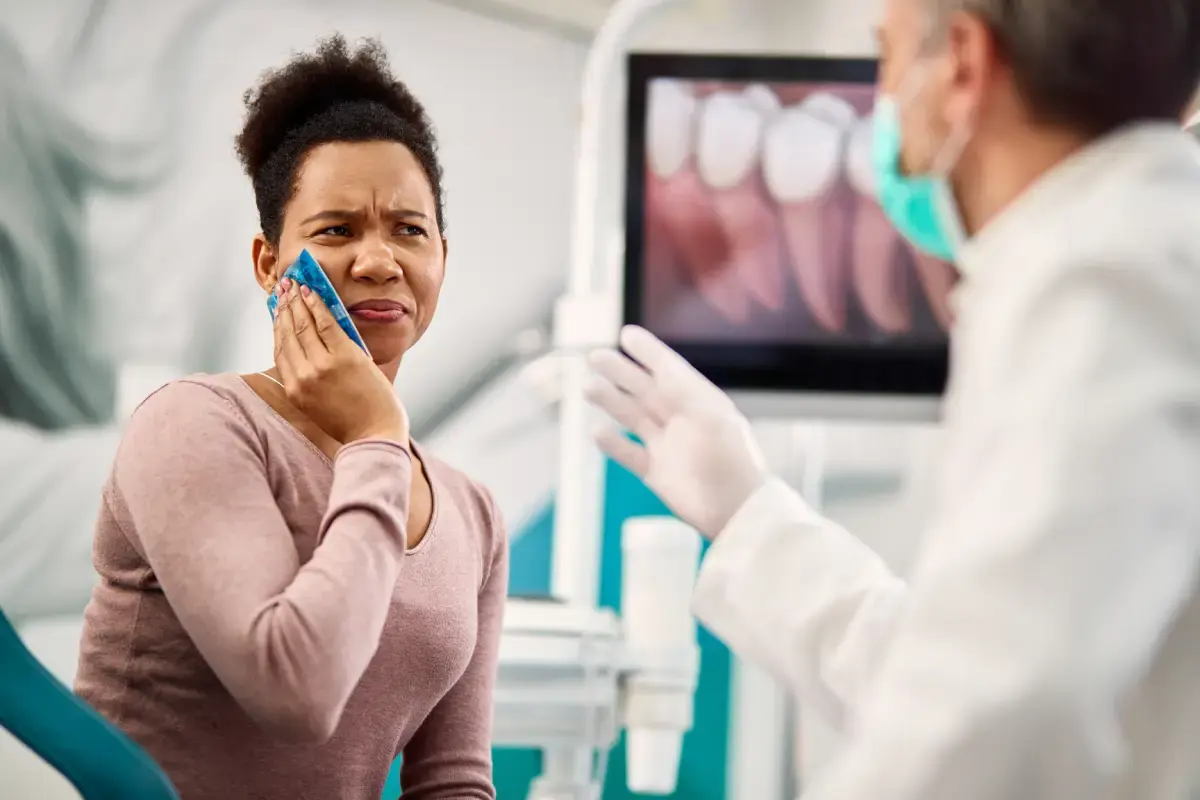
You go to bed feeling fine, and you wake up with a sore, tight jaw or a dull headache that seems to settle right behind your temples. It’s easy to chalk it up to a bad night’s sleep or a stressful week, and sometimes that’s exactly what it is. But when this becomes a pattern rather than a one-off, stress usually isn’t the full story. Jaw pain and headaches that show up together on a regular basis are often signs of TMJ symptoms, something a lot of people live with for months, or even years, before making the connection.
The jaw joint works harder than most people realize, opening, closing, and shifting slightly with every bite, yawn, and word you speak. When something throws that joint off balance, the effects don’t always stay confined to the jaw itself.
At Modern Dental of Kernersville, this is one of those issues patients often describe almost apologetically, saying something like, “It’s probably nothing, but…” In many cases, a thorough evaluation of your jaw joint and bite can help uncover the underlying cause of the discomfort. More often than not, there’s a clear, identifiable reason behind the symptoms.
Why It’s Easy to Blame Stress First
Stress is a reasonable first guess, since tension really can cause clenching and tightness in the jaw. But stress alone doesn’t usually explain morning soreness that’s already there before the day has even started, or headaches that show up in a very specific, recurring pattern. That kind of consistency points more toward the temporomandibular joint, commonly known as the TMJ, than a passing rough patch.
What TMJ Symptoms Actually Look Like
TMJ-related discomfort can show up in a few different ways. A tight or sore feeling in the jaw upon waking is common, along with clicking or popping sounds when opening and closing the mouth. Some people notice their jaw feels like it’s getting “stuck” briefly, while others describe a dull ache that spreads toward the ears or temples. Headaches tied to TMJ issues often feel different from typical tension headaches, tending to concentrate more around the sides of the head rather than across the forehead.
Why Jaw Pain and Headaches Are So Closely Linked
The jaw joint sits close to a network of muscles that also connect to the head and neck. When the joint is strained, overworked, or misaligned, those surrounding muscles often tighten in response, and that tension frequently travels upward into headaches. This is why so many people treat the headache on its own, with pain relievers or rest, without realizing the jaw is actually where the problem started.
If you’re waking up with jaw pain or recurring headaches several times a week, don’t ignore the pattern. Schedule an appointment with our team to identify the underlying cause and discuss the most appropriate treatment for lasting relief.
Everyday Habits That Can Make It Worse
A few common habits tend to aggravate TMJ symptoms without people realizing it. Clenching or grinding teeth during sleep is one of the biggest contributors, since it puts sustained pressure on the joint overnight. Chewing gum frequently, resting your chin on your hand, or favoring one side of your mouth while eating can also add strain over time. Even poor posture, particularly hunching forward while looking at a phone or computer, can pull on the muscles connected to the jaw.
When It’s More Than Just an Occasional Ache
Occasional jaw tightness after a stressful day isn’t usually cause for concern. But if the soreness, clicking, or headaches are showing up several times a week, getting worse, or starting to affect how comfortably you can chew or speak, it’s a sign the joint may need a closer look rather than continued guesswork.
Understanding the Real Cause Matters
Jaw pain and recurring headaches may seem easy to dismiss, but they can sometimes point to an underlying issue with the jaw joint rather than everyday stress. At Modern Dental of Kernersville, we help patients better understand what’s causing their symptoms so they can make informed decisions about their oral health. Visit our Kernersville dental office to learn more about the causes of jaw discomfort and the options available to help protect your long-term oral health.
FAQ
Can jaw pain really cause headaches?
Yes. The muscles around the jaw joint connect closely to the head and neck, so tension or strain in the jaw can radiate outward and trigger headaches, especially around the temples.
What is TMJ, and how do I know if I have it?
TMJ refers to the temporomandibular joint, which connects your jaw to your skull. Common signs of an issue include jaw clicking, morning soreness, and headaches that follow a recurring pattern.
Is grinding my teeth at night linked to jaw pain?
Yes. Nighttime clenching or grinding places ongoing pressure on the jaw joint and surrounding muscles, which is one of the most common contributors to TMJ-related discomfort.
How can I tell if my headache is stress-related or TMJ-related?
Stress headaches often feel like general tightness across the forehead, while TMJ-related headaches tend to concentrate near the temples or ears and are frequently paired with jaw soreness or clicking.
When should jaw pain be checked instead of managed at home?
If jaw pain, clicking, or headaches are frequent, worsening, or affecting how you chew or speak, it’s worth having it evaluated rather than continuing to manage it on your own.